
How Long Does a Washer and Dryer Take to Finish Laundry?
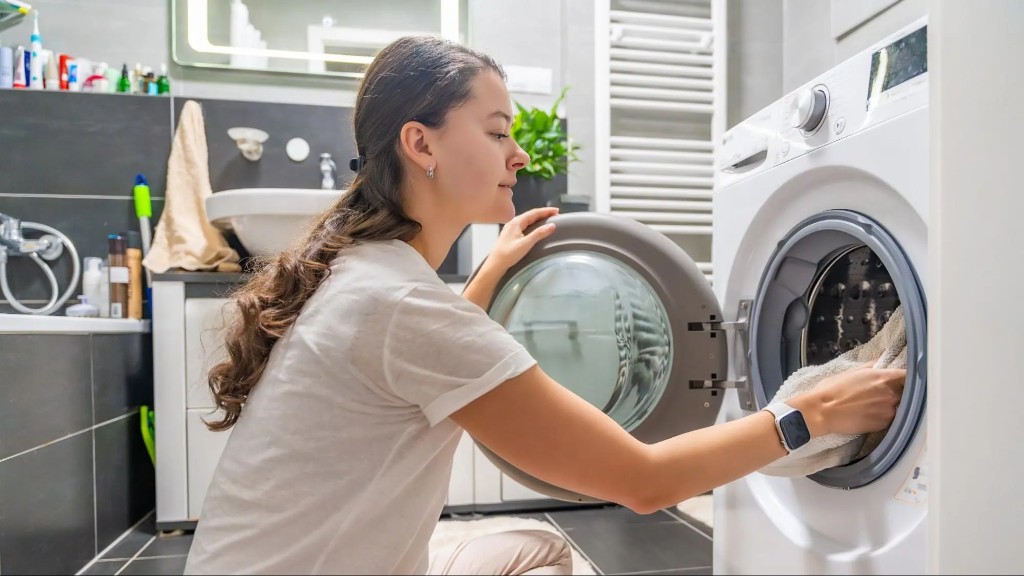
You load your laundry room basket, press start, and expect to move on with your afternoon. An hour later, you return only to find the digital timer stuck on the same number or your bath towels dripping wet. When laundry routine timing breaks down, your entire day gets delayed.
If you find yourself asking how long does a washer and dryer take to finish a single load, standard operational benchmarks provide a clear timeline.
On average, a complete wash and dry cycle takes between 60 and 110 minutes total. The washing phase typically lasts 30 to 60 minutes, while a modern clothes dryer takes between 30 and 50 minutes.
When cycle times double or clothes remain damp after two full hours, your appliances are communicating an underlying mechanical bottleneck. In Central Florida homes, high ambient humidity, intense laundry demands, and sand accumulation place additional stress on motors and thermal sensors.
Here is an in-depth technical analysis of normal laundry cycle durations, the mechanical causes behind slow performance, and how to decide whether repairing or replacing your machine makes financial sense.
Standard Cycle Durations for Washing Machines and Dryers
Every laundry cycle relies on two separate mechanical systems operating in sequence.
Understanding standard time frames helps you distinguish normal high-efficiency operations from early component failure.
Quick Wash and Eco Settings
Quick wash options clean lightly soiled garments in 15 to 30 minutes.
These cycles utilize rapid spin acceleration and shortened agitation periods to refresh small loads.
Eco cycles on modern high-efficiency units extend wash times to 50 or 80 minutes, using lower water volume and sustained tumbling to clean fabrics with minimal energy consumption.
Normal and Heavy Duty Washing Cycles
Everyday wash cycles for mixed cottons and synthetics run between 45 and 60 minutes.
Heavy-duty wash settings designed for work boots, thick denim, or bulky bedding take 60 to 90 minutes.
These extended cycles increase water temperature, lengthen deep agitation phases, and execute multiple rinse passes to pull ground-in dirt out of dense fabrics.
High Efficiency Front Load and Top Load Timing
High-efficiency front-load and top-load washing machines continuously monitor drum balance and water saturation.
Because they do not use a central agitator post, these units rely on extended tumbling patterns.
While older agitator machines finished in 30 minutes, high-efficiency models average 50 to 70 minutes to deliver superior fabric care and water conservation.
Electric and Gas Dryer Heating Performance
Standard electric dryers require 30 to 50 minutes to dry a full load of everyday clothes.
Gas dryers generate intense heat almost instantly upon burner ignition, allowing them to complete drying cycles in 30 to 45 minutes.
Sensor Drying versus Timed Drying Cycles
Automated sensor drying uses solid-state thermistors and metal moisture bars to measure drum humidity continuously.
The system automatically stops the cycle when clothes reach chosen dryness levels, usually within 30 to 45 minutes.
Timed drying runs for a fixed manual duration regardless of garment moisture, which often leads to over-drying fabrics or leaving heavy towels damp inside.
Tumble Drying and Air Drying Duration by Garment Type
Drying performance depends heavily on the heat source, ventilation, and fabric density inside the drum.
Drying Times by Clothing and Fabric Density
- T-Shirts and Light Synthetics: 20 to 30 minutes. Lightweight fabrics shed water rapidly during high-speed spin passes.
- Jeans and Heavy Denim: 35 to 45 minutes. Dense cotton weaves retain moisture deep within the fabric layers.
- Towels and Bathmats: 40 to 60 minutes. Thick terry cloth absorbs large volumes of water during the wash phase.
- Comforters and Bulky Bedding: 60 to 90+ minutes. Large items require high heat and sufficient drum room to tumble freely.
Indoor and Outdoor Air Drying Timelines
If you choose to air dry garments instead of using a mechanical tumble dryer:
- Outdoor Line Drying: On a sunny, breezy day, outdoor drying takes 1 to 3 hours. On cloudy or cool days, it can take 6 to 12 hours.
- Indoor Air Drying: Drying garments indoors on a rack takes 4 to 8 hours for light t-shirts, 12 to 24 hours for jeans and bedding, and up to 48 hours for heavy towels, depending on room humidity and airflow.
Home Laundry vs. Laundromat Turnaround
A trip to a commercial laundromat typically takes 1 to 1.5 hours for the wash and dry phases because commercial machines feature larger drums, higher spin speeds, and higher heat output. However, this does not factor in travel time, loading your vehicle, or waiting for open machines.
Maximum Safe Time in the Washer
A common question among busy homeowners is how long clean clothes can sit in the washing machine after a cycle finishes. Damp garments should not sit in the drum for longer than 8 to 12 hours. Beyond this window, trapped moisture fosters mildew growth, causing clothes to develop a musty odor that requires a full rewash.
Complete Laundry Cycle Benchmark Comparison
| Setting / Garment Type | Wash Duration | Dry Duration | Combined Total Duration |
|---|---|---|---|
| Quick Wash & Light Synthetics | 15 to 40 minutes | 20 to 30 minutes | 35 to 70 minutes |
| Normal Everyday Load | 45 to 60 minutes | 35 to 50 minutes | 80 to 110 minutes |
| Colors & Whites Cycles | 45 to 65 minutes | 35 to 50 minutes | 80 to 115 minutes |
| Heavy-Duty Denim & Towels | 60 to 120 minutes | 40 to 60 minutes | 100 to 180 minutes |
| Delicates & Gentle Fabrics | 40 to 80 minutes | 15 to 30 minutes | 55 to 110 minutes |
| Bulky Comforters & Bedding | 55 to 90 minutes | 60 to 90+ minutes | 115 to 180+ minutes |
| Sanitize Cycle | 90 to 120 minutes | 40 to 60 minutes | 130 to 180 minutes |
| High Efficiency Eco Setting | 2 to 4 hours | 40 to 60 minutes | 160 to 300 minutes |
| All-In-One Combo Unit | Included in total | Included in total | 3 to 5 hours total |
Technical Reasons Your Laundry Cycle Runs Too Long
When cycle times stretch far beyond estimated display settings, specific mechanical bottlenecks or operating habits are actively disrupting machine performance.
Overloading Impact on Drum Balance and Water Sensors
Stuffing a wash drum past two-thirds capacity forces drive motors and suspension shock absorbers beyond design thresholds.
Overloaded garments absorb water unevenly, creating heavy wet clumps during high-speed spin passes.
When internal sensors detect an off-balance tub, the control board pauses, adds fresh water, and tumbles to redistribute the load.
Repeating this auto-rebalance sequence multiple times can extend a wash cycle by 20 to 30 minutes while leaving garments soaked.
Exhaust Vent Restrictions and Thermal Airflow Loss
Restricted ductwork is the leading cause of extended drying times.
When lint, pet hair, or crushed flexible piping blocks exhaust airflow, moist air remains trapped inside the dryer cabinet.
The blower wheel cannot move wet air out of the building, forcing the heating coil to cycle continuously on its safety limit thermostat without removing water from your clothes.
Heating Element Burnout and Thermostat Failures
Electric dryers generate heat by passing high voltage through coiled resistance wire. Over years of thermal expansion, these wire coils become brittle and snap.
If one coil segment breaks or the cycling thermostat fails, the machine continues tumbling cold air.
The motor turns the drum normally, but the lack of thermal heat transforms a 45-minute cycle into an endless drying attempt.
Drain Pump Obstructions and Slow Fill Valves
Washers depend on electric drain pumps to evacuate dirty water before spinning.
If coins, button backs, or lint block the drain pump filter, water evacuates sluggishly, adding several minutes to every drain pass.
Similarly, hard water mineral deposits inside inlet water valves restrict water inflow, extending the initial filling phase of the cycle.
Environmental Moisture and Florida Humidity Factors
Central Florida homes present environmental challenges that directly affect laundry equipment.
High ambient humidity makes it harder for dryers to evacuate cabinet moisture effectively, especially in garage or outdoor utility room installations.
Furthermore, sand brought home from beach trips in coastal areas or lawn debris from yards in Orlando and Kissimmee settles inside outer tubs, grinding down drain pump seals and clogging internal filter screens.
Mechanical Warning Signs That Require Professional Service
Recognizing the difference between minor maintenance adjustments and serious mechanical breakdown protects your home from water damage and electrical hazards.
Standing Water and Incomplete Spin Cycles
If your washing machine finishes its cycle with standing water in the tub or clothes feeling dripping wet, the drain pump impeller or drive belt is failing.
Continuing to operate a machine with drainage faults can burn out the main motor or overflow the tub.
Cold Tumbling and Missing Heat Generation
A dryer that tumbles indefinitely while producing zero heat indicates a blown thermal fuse, a broken heating element, or defective gas valve solenoids.
Professional diagnostic testing using a digital multimeter isolates the broken component quickly.
Excessive Vibration and Electrical Odors
Loud thumping, high-pitched squealing, or acrid burning smells signal severe mechanical distress.
Worn tub bearings, snapped drive belts, or scorched motor wiring require immediate technical intervention.
Turn off the home circuit breaker immediately if you detect burning smells to prevent electrical fires.
Financial Analysis of Appliance Repair versus Replacement
Deciding whether to repair an existing appliance or purchase a new unit requires evaluating machine age, repair costs, and remaining operating life.
Applying the Industry Fifty Percent Cost Rule
The appliance service industry follows a clear financial guideline.
If a machine is under eight years old and the total cost of repair remains under 50 percent of a new comparable machine, repairing the unit is the smartest financial path.
Quality washers and dryers have an average operational lifespan of 10 to 12 years when properly maintained.
Comparing Repair Scenarios on Mid Life Machines
Consider a 5-year-old front-load washer that fails to drain due to a worn pump motor. Buying a new mid-range replacement washer installed costs between $800 and $1,200.
Professional washer repair Kissimmee fl to replace the drain pump averages $180 to $270 including labor.
Choosing the targeted repair saves hundreds of dollars while preserving a machine with half its useful life remaining.
Conversely, if a 12-year-old dryer requires a new main control board and drive motor totaling over $500, investing toward a modern replacement unit makes better economic sense.
Evaluating Parts Pricing and Labor Costs
Appliance repair pricing combines component costs, service call diagnostics, and technical labor.
Most diagnostic fees range from $70 to $130, which reputable companies apply directly toward total repair costs upon quote approval.
- Dryer Heating Element Replacement: Replacement parts range from $30 to $150, bringing total installed repair costs to $150 to $350.
- Thermal Fuse and Belt Repairs: Components cost $10 to $45, with total installed repairs averaging $75 to $200.
- Washer Drain Pump Replacement: Pump components range from $40 to $130, bringing total installed costs to $140 to $270.
- Main Electronic Control Board: Electronic boards cost $150 to $400, bringing total installed costs to $250 to $500.
Specialized Samsung Washer and Dryer Diagnostic Needs
Samsung manufactures popular laundry appliances equipped with advanced digital controls, direct-drive motors, and smart sensors.
However, resolving heating or cycle errors on these high-tech machines requires specialized diagnostic expertise.
Deciphering Samsung Heating and Airflow Error Codes
When searching for samsung dryer appliance repair, homeowners frequently encounter digital error codes on their control panels.
Error code HE or hE indicates an active heating circuit failure.
Error codes d80, d90, or d95 signal severe exhaust vent restrictions ranging from 80 to 95 percent airflow blockage.
Code tE points directly to a thermistor temperature sensor malfunction.
Solid State Electronic Diagnostics and Sensor Calibration
Performing appliance repair for Samsung models requires testing solid-state electronic sensors and measuring exact electrical resistance using digital multimeters.
Attempting DIY fixes on digital Samsung dryers without proper testing equipment risks shorting sensitive control boards.
Certified technicians carry genuine replacement sensors and follow factory wiring schematics to restore full heating performance safely.
Preventive Care Habits for Long Term Efficiency
Establishing routine preventive maintenance habits preserves drying performance and reduces unexpected service calls.
Airflow and Vent Maintenance
Clean the lint screen before starting every load to maintain unobstructed cabinet airflow.
Additionally, inspect the entire rigid exhaust duct run from the dryer to the exterior wall cap annually to clear accumulated lint and pet hair.
Tub Cleanliness and Hose Inspections
Run a dedicated tub clean cycle once a month on washing machines to remove soap scum buildup.
Inspect rear water inlet hoses monthly for bulges or rusted fittings, and upgrade to stainless steel braided hoses every five years to prevent catastrophic leaks.
Increase Washer Spin Speed
Choosing a higher spin speed on your washer extracts more moisture from fabrics before drying begins, cutting tumble dryer time by 10 to 15 minutes.
Shake Garments Before Drying
Untangle wet clothes when transferring them from the washer to the dryer to improve thermal air circulation around fibers.
Separate Heavy and Light Fabrics
Drying heavy towels alongside lightweight t-shirts forces the dryer to run longer, over-drying delicate garments while towels remain damp.
Why Choose GG Home Tech Solutions for Your Appliance Care
When routine maintenance fails to resolve long cycle times or heating failures, having a trusted local repair team makes all the difference.
At GG Home Tech Solutions, our certified technicians specialize in fast diagnostic testing, transparent flat-rate pricing, and long-lasting repairs for all major appliance brands.
We deliver priority scheduling, clear technical explanations, and complete parts and labor warranties on every service call.
Whether you need a simple drain pump replacement or complex electronic troubleshooting, our team brings expert equipment care directly to your doorstep.
Communities Served Across Central Florida
We proudly serve homeowners, property managers, and short-term rental hosts across five Central Florida counties:
Orange County: Orlando, Winter Park, Apopka, Ocoee, Windermere, and Winter Garden.
Osceola County: Kissimmee, St. Cloud, Celebration, and Poinciana.
Seminole County: Sanford, Lake Mary, Altamonte Springs, Oviedo, and Casselberry.
Brevard County: Melbourne, Titusville, Palm Bay, Cocoa, and Rockledge.
Lake County: Clermont, Leesburg, Mount Dora, Eustis, and Tavares.
Restoring Peak Efficiency to Your Laundry Room
Understanding standard laundry cycle durations gives you complete control over your home routine.
While slight variations in cycle times are expected due to fabric weights and modern high-efficiency settings, persistent delays, damp clothes, and cold tumbling cycles are clear signs that your appliance needs technical attention.
Ignoring these minor bottlenecks leads to higher energy bills and places unnecessary strain on critical internal components like drive motors, drain pumps, and heating elements.
By staying proactive with simple preventive care, such as clearing lint chutes, inspecting water hoses, and avoiding overloaded drums, you keep your equipment operating smoothly for years.
When unexpected mechanical breakdowns occur, evaluating the age of your machine against targeted repair costs allows you to make a smart financial decision that protects your home budget.
Schedule Your Appliance Inspection Today
Is your washer taking too long to finish a cycle, or is your dryer leaving your clothes damp? Do not let a malfunctioning appliance disrupt your daily routine or guest experience.
Frequently Asked Questions
Need professional help?
Our certified technicians diagnose and repair dryers and other appliances with transparent pricing and warranty coverage.